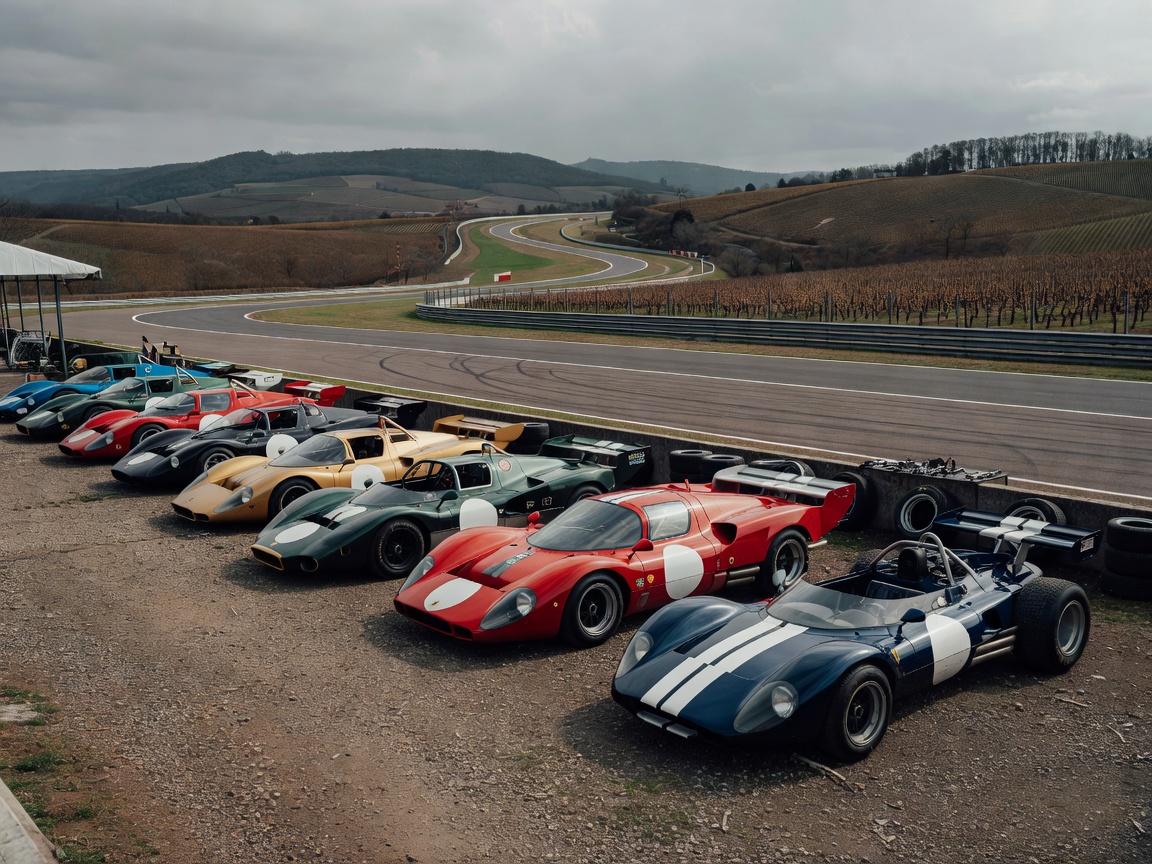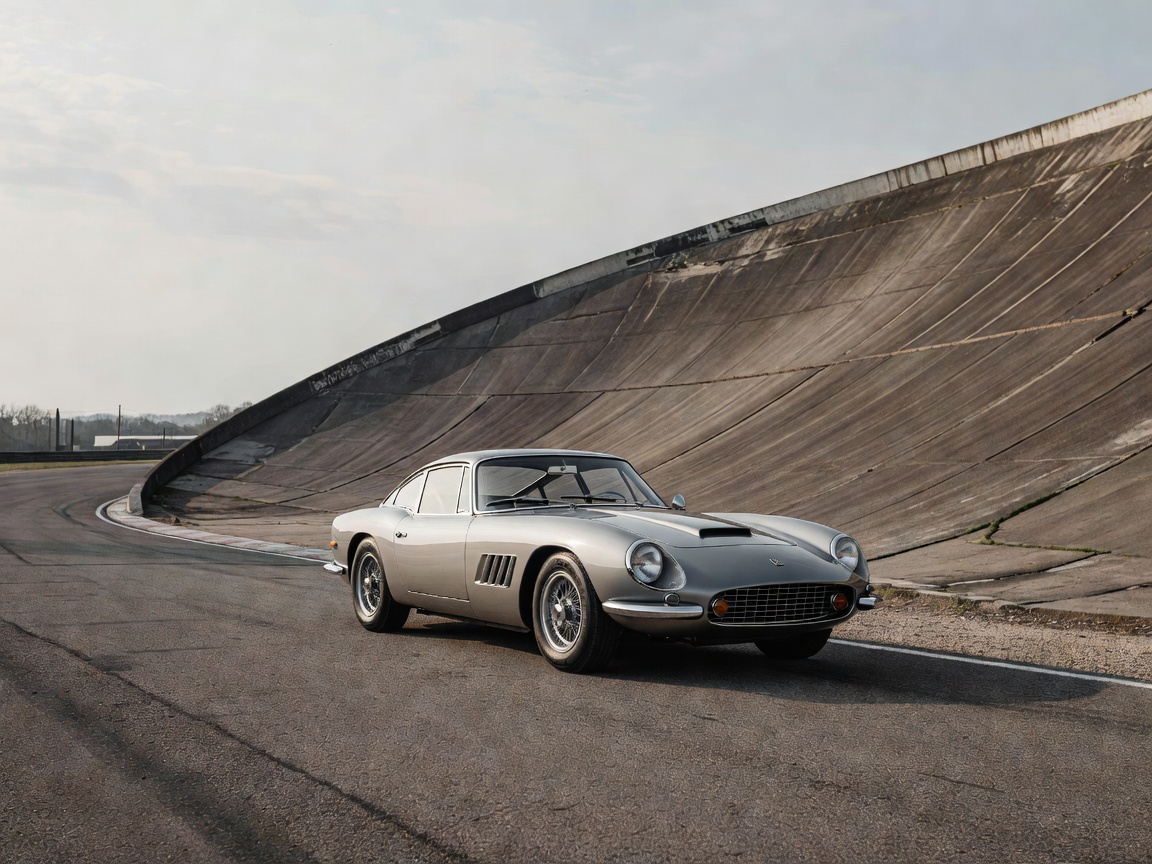
Le Mans Classic takes the circuit that defines endurance racing and hands it to the cars that made its history. Launched in 2002 and organised by Peter Auto together with the Automobile Club de l’Ouest, it runs historic grids on the full 13.626-kilometre Circuit des 24 Heures, including the Mulsanne Straight on public roads closed for the event. The Le Mans Legend support races add themed grids to the programme.
How the racing works
Cars are grouped into grids, known as plateaux, by era, spanning the race’s history from its early decades onward. Rather than contesting a single 24-hour race, each plateau races several times across day and night, so over the weekend you can see every era in daylight, at dusk and in darkness. The Le Mans Legend races change theme from edition to edition; check the programme for the one you plan to attend.
Edition timing has varied. The event was long held every two years, with a special edition in 2023 for the 24 Hours centenary, and it appears on the 2026 European calendar. Always confirm dates on the official site before booking travel or accommodation.
The show beyond the track
Owners’ clubs fill large enclosures around the circuit with their own cars, creating a free-flowing display that rivals many standalone shows for variety. Add the Musée des 24 Heures du Mans beside the circuit, the trade village and the general carnival atmosphere, and it is easy to spend hours without watching a single lap.
The moment headlights appear through the dusk at Le Mans is worth the entire journey.
Pros and cons
Why go
- A unique chance to see historic endurance cars racing at night on the real circuit.
- Enormous variety across eras and marques.
- Club enclosures form a second event in themselves.
- Fast train links from Paris.
Think twice if
- You dislike crowds and long walks between viewing areas.
- You leave accommodation late; nearby rooms go early and camping is common.
- You need a full night’s sleep; engines run through the night.
- This would be your first historic event; it can overwhelm.
Choosing your base
| Base | Advantages | Drawbacks |
|---|---|---|
| Circuit campsites | On site, total immersion, night racing on your doorstep | Basic facilities, noisy through the night |
| Le Mans city | Hotels, restaurants, tram towards the circuit area | Books early; peak-time commuting |
| Surrounding Sarthe towns | Better availability, calmer evenings | Car needed; parking queues |
Planning your visit
Getting there
TGV services from Paris Montparnasse reach Le Mans in around an hour, and the city tram runs towards the circuit area. Driving is common, but allow generous time for arrival and exit on peak days, and follow official parking signage rather than satellite navigation near the venue.
Tickets
Ticket formats typically include general admission, grandstand seating, paddock or pit-lane access, hospitality and camping packages. We don’t list prices; the organiser publishes current options, and the most desirable combinations sell early.
Practical tips
- Plan your night viewing: choose a spot in daylight, bring a warm layer and a torch.
- Watch from more than one sector. Grandstands at the start-finish give pit action, while spectator areas at corners such as Tertre Rouge or Arnage, where access permits, show cars at speed.
- Use the hottest part of the afternoon to explore the club enclosures and museum.
- Carry earplugs for sleeping as well as spectating.
- Save the circuit map offline; mobile data can slow down under heavy crowds.
The verdict
Choose Le Mans Classic for scale, history and the unforgettable sight of historic cars racing through the night. Go prepared, book early, and if you want a gentler introduction to historic racing first, try the Grand Prix de l’Âge d’Or at Dijon.
This guide is based on organiser information and public sources. Dates, grids, access and ticketing vary by edition; confirm all details on the official Le Mans Classic website.